With over one billion users on the platform, LinkedIn has become the most consequential professional discovery tool in the world. When a potential client, investor, or hiring manager wants to understand who someone is, LinkedIn is where they go first. In the modern competitive landscape, mastering LinkedIn Personal Branding is more important than ever.
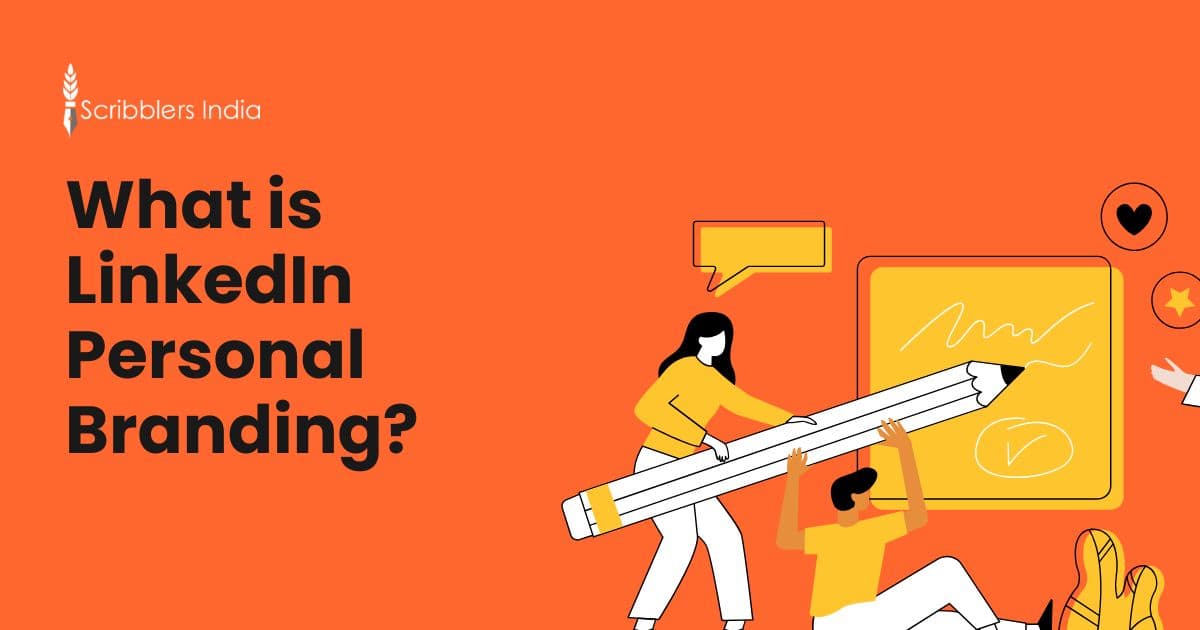
LinkedIn personal branding is the practice of deliberately shaping how a professional appears, communicates, and engages on the platform. A strong LinkedIn presence transforms a profile from a static credential list into a living, credible demonstration of expertise, values, and professional identity.
What Is LinkedIn Personal Branding and Why Does It Matter Now?
LinkedIn personal branding is the strategic process of optimizing a professional’s LinkedIn presence to communicate their unique value, attract the right opportunities, and build sustained authority in their field. A strong personal brand encompasses profile optimization, content strategy, network engagement, and consistent positioning.
The platform’s scale makes this practice increasingly important. LinkedIn data from 2025 shows 2.5 applicants per job posting, up from 1.5 in 2022. The platform now functions as the primary B2B discovery channel for clients, partners, and investors who research professionals before initiating any conversation.
Professionals who invest in LinkedIn personal branding consistently report stronger inbound leads, faster trust with new contacts, and better visibility in both traditional and AI-powered search environments.
How Does a Strong LinkedIn Profile Support Personal Branding?
A LinkedIn profile is the infrastructure of a professional’s personal brand on the platform. Every element of the profile, from the photo to the headline to the About section, contributes to the first impression a visitor forms within the first few seconds of landing on the page.
The profile must communicate expertise immediately and clearly. A visitor should understand exactly what the professional does, who they serve, and why their perspective matters within ten seconds of arriving on the profile page.
- Professional headshot: Profiles with high-quality photos receive up to 21x more views than those without. The photo should feel approachable while clearly representing the professional’s industry and level of seniority.
- Positioning-led headline: The headline should describe the professional’s expertise and audience in one line, rather than simply listing a job title that any competitor could hold.
- Strategic About section: A well-written About section tells the professional’s story, communicates their value proposition, and invites the reader to take a specific next action.
- Featured section content: Publishing case studies, articles, testimonials, or media appearances in the Featured section provides social proof that reinforces the professional’s authority and credibility.
- Recommendations and skills: Specific, outcome-focused recommendations from clients, managers, and collaborators build third-party credibility that a self-written profile alone cannot establish.
What Content Strategy Builds a Strong LinkedIn Personal Brand?
Content is the engine of LinkedIn personal branding. A well-optimized profile attracts visitors, but consistent, valuable content keeps a professional visible, relevant, and top of mind with their target audience over time.
Professionals who publish regularly on LinkedIn build algorithmic visibility alongside audience trust. The platform rewards consistency, engagement, and specificity. It favors professionals who publish focused, valuable content over those who post occasionally or broadly.
- Original insights and expert perspectives demonstrate that the professional thinks independently and adds genuine value to industry conversations, rather than simply redistributing content others have already created.
- Experience-based storytelling connects professional achievements and lessons to practical takeaways that the audience can apply directly, making the content memorable and shareable across the network.
- Industry trend commentary positions the professional as a current, credible voice by demonstrating active engagement with the most relevant developments in their field and adjacent areas.
- Carousel and visual posts earn stronger engagement rates on the platform than text-only updates, making them an effective format for presenting frameworks, data, and step-by-step guidance.
- Consistent publishing schedule signals reliability to both the LinkedIn algorithm and the audience, building the familiarity and trust that eventually drives inbound messages and connection requests.
How Does LinkedIn Personal Branding Support Thought Leadership?
LinkedIn is the primary distribution channel for thought leadership content in the professional services and B2B world. Professionals who use the platform to share genuine expertise consistently build the kind of authority that influences decisions before any direct conversation occurs.
Thought leadership on LinkedIn works best when it combines personal perspective with specific, applicable knowledge. Content that offers a unique point of view on a familiar challenge consistently outperforms generic “tips” content that any number of competitors could have published.
Publishing LinkedIn articles, newsletters, and long-form posts alongside regular short-form updates creates a layered content presence. Short posts maintain visibility in the daily feed. Articles and newsletters build depth, demonstrate expertise, and attract search traffic from professionals researching specific topics.
What Are the Key Mistakes Professionals Make with LinkedIn Personal Branding?
Many professionals create LinkedIn profiles that communicate their past rather than their positioning. They list previous roles in reverse chronological order without ever communicating what they currently stand for and what unique value they offer their audience today.
A second common mistake involves inconsistency between a person’s profile and the content they publish. A headline that claims expertise in one area while the content focuses on unrelated topics creates confusion and weakens the professional’s authority in their target field.
- Generic headlines: Using a default job title instead of a positioning-led description means the profile misses the opportunity to communicate expertise immediately to visitors who arrive with a specific need.
- Neglecting the About section: A blank or minimal About section signals to visitors that the professional has not invested in their own presence, reducing confidence in their attention to detail and communication skills.
- Sporadic posting without strategy: Publishing without a defined content pillar framework makes the overall presence feel scattered, preventing the consistent topic association that builds long-term authority.
- Passive network engagement: Failing to comment, respond, and engage on others’ content reduces visibility within the feed algorithm and limits the organic network growth that active participation generates.

How Does LinkedIn Branding Connect to a Professional’s Overall Digital Presence?
LinkedIn personal branding does not operate in isolation. It functions as the anchor of a professional’s broader digital identity, reinforcing the positioning that appears on their personal website, in their content marketing output, and across the other professional platforms where they maintain a presence.
A consistent message across LinkedIn, a personal website, speaking bios, and published content creates a coherent professional identity that audiences encounter and recognize across multiple touchpoints. This consistency across channels is what transforms a profile visitor into a long-term follower and eventually into a client or collaborator.
Professionals who treat LinkedIn as part of a unified personal branding strategy rather than as an isolated platform consistently build stronger authority and more durable professional reputations than those who treat each channel as a separate activity.
Scribblers India helps professionals develop LinkedIn personal branding strategies through personal branding services and thought leadership content writing that build sustained platform authority.
Connect today to build a LinkedIn presence that consistently attracts the right opportunities.
FAQs
How frequently should a professional post on LinkedIn to build a strong brand?
Most LinkedIn branding experts recommend posting three to five times per week for consistent visibility and algorithmic growth. Quality and relevance matter more than frequency alone. Professionals who publish two to three well-researched, audience-focused posts weekly outperform those who publish generic content daily without a defined positioning or content strategy.
Should a professional use first- or third-person in their LinkedIn About section?
Most LinkedIn branding best practices favor first person for the About section because it creates a more direct, personal connection with profile visitors. Third person works better for external bios, speaker introductions, and press materials where the professional is being introduced to a new audience rather than speaking directly to someone reviewing their profile.
How important are LinkedIn recommendations for personal branding purposes?
LinkedIn recommendations provide third-party social proof that significantly strengthens a personal brand. Specific recommendations that describe a concrete outcome or specific skill carry far more weight than general endorsements. Professionals should request recommendations from clients, managers, and collaborators who can speak to measurable results rather than general character or attitude.
Can personal branding support a professional services business in generating clients?
Yes, significantly. Professionals who consistently publish valuable content and optimize their profiles for specific search queries report strong inbound inquiry rates from potential clients who discover them through the platform. Personal branding functions as a long-term organic lead generation channel that compounds in effectiveness as the professional’s audience and authority grow over time.