
Remember when planning a strategy meant stuffing keywords into a blog post and praying to the search engine gods? Those days are gone. Looking ahead, a successful content marketing strategy in 2026 will likely involve much more than just keywords, especially given the reality that nearly 60% of Google searches now end without a click to another web property. You might feel like the internet is getting crowded and perhaps too robotic. You are not alone in this feeling.
While everyone else panics about AI taking over the world, a quieter shift is happening. We are not scrolling anymore, we are seeking connections and are trading blue links for trusted voices and generic influencers for real communities. The robots are here and they are helpful.
However, 2026 is shaping up to be the year when humanity strikes back. We have dug through the data and analyzed the death of the click. We looked beyond the AI hype to bring you insights that matter. Here are the trends that will define your content marketing in 2026 and help you survive this shift.

1. Optimize Content Visibility For Zero-Click Search Results
Organic traffic is dropping because search engines and AI chatbots now answer questions directly on the results page. You must stop trying to trick people into clicking and start optimizing for visibility. You need to become the source of truth that AI cites to build brand trust without the pageview.
The game has changed for your content marketing strategy in 2026. Users get weather updates, sports scores, or software summaries without ever visiting a website. You must adapt your approach to ensure your brand remains visible even when no one clicks.
- Optimize for Featured Snippets: You must structure your content to answer questions immediately. Search engines prioritize direct answers. If you provide the best summary, you occupy the prime real estate on the screen. This visibility establishes authority even if the user does not visit your site.
- Target Broad AI Overviews: Large Language Models summarize vast amounts of information. Your content must be factual and easy to read. You want these models to recognize your brand as a primary source. This requires high-quality information that robots can parse easily.
- Measure Brand Impressions: You cannot rely solely on traffic metrics anymore. You should track how often your brand appears in search summaries. This shift in measurement is crucial for a successful content marketing strategy in 2026.
- Focus on Value Delivery: You must give the user what they want instantly. Do not bury the lead. If you solve their problem on the search page, they will remember your name. This builds long-term trust which eventually leads to direct visits.
2. Private Community Marketing To Drive Real Sales
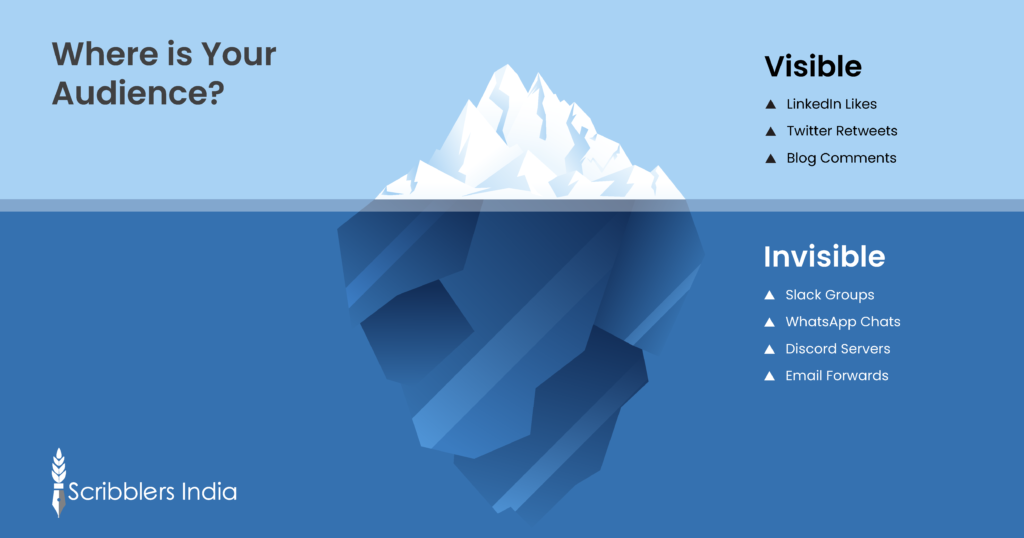
The most valuable conversations happen in private channels like WhatsApp, Discord, and Slack rather than public feeds. This is Dark Social, and you cannot track it easily. You must create shareable content that people want to copy and paste into their private group chats to drive influence.
You cannot run ads in these spaces and have to be invited to join the groups. Community-led branding and growth strategies are essential here. Your content marketing strategy in 2026 must focus on creating assets that penetrate these private circles.
- Create Shareable Assets: You should build templates, memes, or cheat sheets that provide immense value. People share things that make them look smart or helpful to their peers. Your goal is to be the link dropped in the group chat.
- Spark Genuine Conversations: You need to move beyond broadcasting messages. Create content that invites debate or discussion. When people argue or agree passionately, they share that content with their private networks to validate their opinions.
- Leverage Niche Influencers: Identify the leaders within these private communities. You can partner with them to get your message inside. These influencers hold the keys to the gates of Dark Social.
- Measure Indirect Attribution: You will see spikes in direct traffic that you cannot explain. This is often the result of Dark Social. You must acknowledge this unseen force in your content marketing strategy in 2026.
3. Video Commerce Will Replace Traditional Ecommerce in 2026
Video is no longer just for watching; it is for buying. Platforms like TikTok Shop and YouTube Shopping have normalized the purchase process. Your video content must function as your storefront with embedded checkout links to remove friction and capture impulse buyers immediately.
Video commerce trends are reshaping how we sell. The friction between seeing a product and buying it is gone. If you are in e-commerce, your content marketing strategy in 2026 must prioritize shoppable media.
- Integrate Direct Checkout: You cannot ask users to search for a link in your bio. That is an outdated tactic. You must use platform features that allow users to buy the product with a single tap on the video itself.
- Create Unboxing Experiences: You should film authentic unboxing and usage videos. These act as virtual demos. When customers see exactly what they get, their confidence increases, and they are more likely to hit the buy button.
- Utilize Live Shopping Events: You can host live streams where you demonstrate products in real-time. This creates urgency and allows for instant interaction. Viewers can ask questions and buy immediately during the broadcast.
- Short-Form Product Showcases: You must master the art of the 60-second pitch. You have very little time to grab attention. Show the problem and the solution quickly to drive conversions within the video feed.
4. Optimize Content for Generative Engine Optimization (GEO)
SEO is evolving into Generative Engine Optimization (GEO). You are now optimizing for Large Language Models like ChatGPT and Gemini rather than just a search bar. You must use clear headings, data tables, and structured formatting so AI can read, understand, and cite your content.
The robots are your new audience. A robust content marketing strategy in 2026 requires you to speak their language. If an AI cannot summarize your article in two seconds, it will not recommend you.
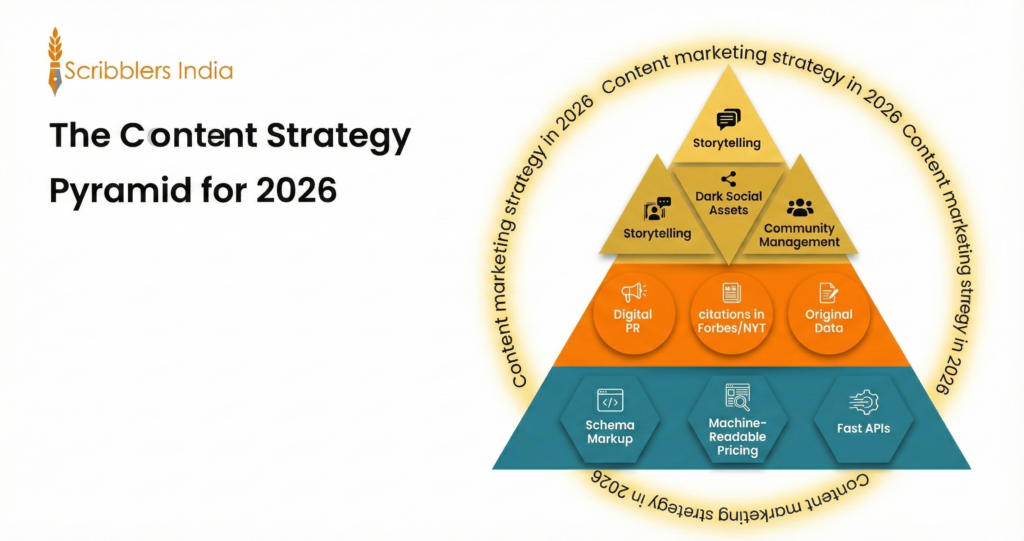
- Structure Your Data: You must use schema markup and clear HTML tags. AI models rely on structure to understand context. A well-organized page is easier for a machine to digest and reference.
- Prioritize Facts and Statistics: AI models look for concrete evidence. You should include unique data points and original research. This makes your content a primary source that the AI wants to cite.
- Use Simple Language: You do not need complex jargon to sound smart. Simple, clear sentences are easier for LLMs to process. Clarity helps the AI understand your relevance to specific queries.
- Answer Questions Directly: You should format your content as questions and answers. This mirrors how users interact with AI chatbots. It increases the likelihood of your content being used as the direct answer.
5. Long-Form Deep Content Will Again Become Popular in 2026
People are experiencing fatigue from short-form content and want depth. There is a quality reset happening where users seek long-form essays and detailed documentaries. You should not fear writing long guides because audiences are tired of surface-level fluff and want true expert depth.
While short videos are popular, deep engagement comes from substance. Your content marketing strategy in 2026 must include Slow Content that creates a lasting impact and establishes true thought leadership.
- Develop Comprehensive Guides: You should write the definitive 3,000-word piece on a topic. When you cover every angle, you become the go-to resource. This depth signals authority to both humans and search engines.
- Produce Long-Form Audio: You can explore podcasts that dive deep into specific subjects. Listeners form a strong bond with hosts over hours of content. This relationship is far stronger than a 15-second impression.
- Focus on Storytelling: You must weave narratives into your content. Humans love stories. A well-told story keeps readers engaged far longer than a list of facts. This emotional connection is hard for AI to replicate.
- Invest in Documentaries: You can create video content that explores the why and how. High-production value and deep research separate your brand from the noise of daily vlogs.
6. Social Media Will Become the New Search Engine
Social platforms are now primary search engines for younger generations who want visual proof. Users search Instagram or TikTok for lunch recommendations rather than Google Maps. You must optimize your social captions and bio with keywords to ensure you appear in these visual search results.
Social search optimization is critical. When Gen Z wants to know if a restaurant has a vibe, they look for video evidence. Your content marketing strategy in 2026 must account for this behavior.
- Optimize Captions for SEO: You cannot rely on hashtags alone. You must include relevant keywords in your captions. Social algorithms now scan text to understand what your post is about.
- Treat Profiles as Landing Pages: Your social bio is your new homepage. You must clearly state who you are and what you offer. Use pinned posts to highlight your best products or services.
- Create Visual Answers: You should make videos that answer specific questions. If someone searches for how to style a scarf, your video should appear. This requires clear titles and text overlays.
- Encourage User-Generated Content: You need real people posting about your brand. Searchers trust user videos more than brand posts. Encourage your customers to tag you to increase your search footprint.
7. Start Collecting Zero-Party Data Directly From Website Visitors
Cookies are disappearing, and tracking pixels are blocked. You can no longer steal data; you must ask for it. Zero-party data marketing involves collecting information that customers willingly share through interactive content, such as quizzes and polls, in exchange for personalized value.
Data privacy is a major concern. Your content marketing strategy in 2026 must build a direct line to your customer without relying on third-party spies.
- Build Interactive Quizzes: You can create quizzes that help users find the right product. They get a recommendation, and you get their preferences. This is a fair exchange of value.
- Utilize Polls and Surveys: You should ask your audience what they want directly. This engages them and provides you with actionable insights. People love to share their opinions when asked.
- Create Calculators and Tools: You can offer tools that solve a specific problem. Users input their data to get a result. This high-intent data is incredibly valuable for segmentation.
- Personalize Email Flows: You must use the data you collect to send relevant emails. If a user tells you they have dry skin, do not send them oily skin products. Personalization proves you are listening.
8. Brand Authority Will Replace Link Building in 2026
In a world filled with AI-generated spam, the source matters more than the link count. AI models are trained to trust authoritative sources like major publications and industry journals. You must focus on Digital PR to get cited by reputable sites to build a reputation machines respect.
Link farms are dead. Your content marketing strategy in 2026 depends on becoming a trusted entity. You need to be the name that appears in the training data of the next AI model.
- Pursue High-Tier Press: You should aim for features in recognized publications. A mention in a top-tier news site validates your existence. AI associates your personal or corporate brand with these trusted domains.
- Publish Original Research: You must create new data that others need to cite. When you are the primary source of a statistic, everyone points back to you. This is the ultimate authority signal.
- Collaborate with Experts: You can co-create content with recognized industry leaders. Their authority rubs off on you. It signals to the algorithms that you are part of the inner circle.
- Maintain Consistent Messaging: You need to have a clear and consistent brand voice across the web. Contradictory information confuses AI models. Consistency helps machines understand exactly what you do.
9. Corporate Responsibility Content Will Be Critical for Brand Trust
Consumers can detect greenwashing easily and want to support brands that align with their values. You must be transparent about your supply chain and impact. Your content should not just sell the product but also sell the positive impact to build authentic connections with conscious buyers.
Sustainability is not a trend; it is a requirement. Your content marketing strategy in 2026 needs to reflect your corporate responsibility without sounding like a press release.
- Show Behind the Scenes: You should document your manufacturing process. Show the real people and materials involved. Transparency builds more trust than a polished eco-label.
- Share Progress, Not Perfection: You can admit where you are still improving. Customers appreciate honesty about your journey. It makes your sustainability claims feel more real and attainable.
- Educate Your Audience: You can use your platform to teach consumers about sustainable choices. Help them understand why certain materials or processes matter. This positions you as a helpful partner.
- Highlight Community Impact: You should showcase how your brand supports local communities. Real stories of impact resonate deeply. It proves your commitment goes beyond profit.
10. Optimize Ecommerce Websites for Autonomous AI Buying Agents
Your next customer might be a software bot performing tasks for a human. AI Agents will book hotels and buy products autonomously. You must ensure your pricing pages and checkout flows are machine-readable so these agents can execute transactions without hitting walls or confused coding.
This is the most futuristic part of your content marketing strategy in 2026. You need to prepare your digital infrastructure for non-human buyers.
- Expose Pricing Clearly: You cannot hide prices behind ‘contact us’ forms. AI agents cannot negotiate. If the price is not visible in the code, the agent will move to a competitor.
- Simplify Checkout Flows: You should minimize the steps required to purchase. Complex captchas and multi-page forms block bots. A streamlined API-friendly checkout is essential.
- Use Standard Schema: You must use universal product descriptors. The agent needs to know exactly what the item is. Standardized data helps the agent confirm it is buying the right thing.
- Update Inventory in Real-Time: You need to ensure stock levels are accurate. AI agents rely on current data. If an agent tries to buy an out-of-stock item, it learns to avoid your site.
Why You Need a Professional Content Marketing Agency in 2026 to Optimize Your Strategy?
Let us be real. Balancing private communities, technical SEO for robots, and creating deep slow content is a massive headache. You have a business to run. You should not be spending your nights figuring out if your schema markup is ready for an AI Agent.
Here is why partnering with a professional content marketing services provider like Scribblers India makes sense:
- Human-First, Robot-Friendly: We build strategies that engage real human communities while ensuring your technical foundation satisfies the AI algorithms. We bridge the gap between emotion and code.
- Trend Forecasting: We do not just follow the hype. We distinguish between fleeting fads and the structural shifts that will define your revenue. Your content marketing strategy in 2026 is safe with us.
- Digital PR & Authority: We move beyond basic blogging to get your brand featured in the high-authority publications that drive trust. We build the reputation you need.
- Interactive Content Experts: From quizzes to shoppable video scripts, we create the sticky content that captures data. We help you build a direct line to your customers.
- Data-Driven Storytelling: We combine hard keyword data with the creative spark needed to break into private groups. We get you into the conversations that matter.
Ready to stop chasing yesterday’s clicks and start building tomorrow’s community? Contact our experts today, and let us future-proof your brand.
Frequently Asked Questions (FAQs)
Is blogging no longer effective for content marketing in 2026?
No, but generic blogging is dead. AI can write the basics instantly. Your blog must provide unique data, personal stories, or deep expert analysis that AI cannot replicate. You need to offer a perspective that only a human can provide.
How do I get into dark social communities in 2026?
You cannot force your way in. You must create content that is highly shareable, such as memes, controversial industry takes, or incredibly useful templates. Users must naturally want to share these assets with their peers in private channels.
What is the difference between SEO and GEO?
SEO focuses on ranking links on a search page. GEO focuses on becoming the cited answer inside an AI summary. GEO requires more facts, quotes, and structured data to help the AI understand and trust your content.
Do I really need to be on TikTok for B2B content marketing?
Likely, yes. Search behaviors have shifted significantly. Even B2B buyers use video platforms to search for software reviews or industry trends. If you are not present there, you are missing a massive discovery engine for your brand.
How do I optimize my content strategy for AI Agents?
Ensure your website has clear, structured data and Schema markup. Make sure your pricing, availability, and product details are visible in text code. You must not lock this critical information inside images or PDF files that agents cannot read.